
Shop Front Signs: Types, Materials and How to Choose
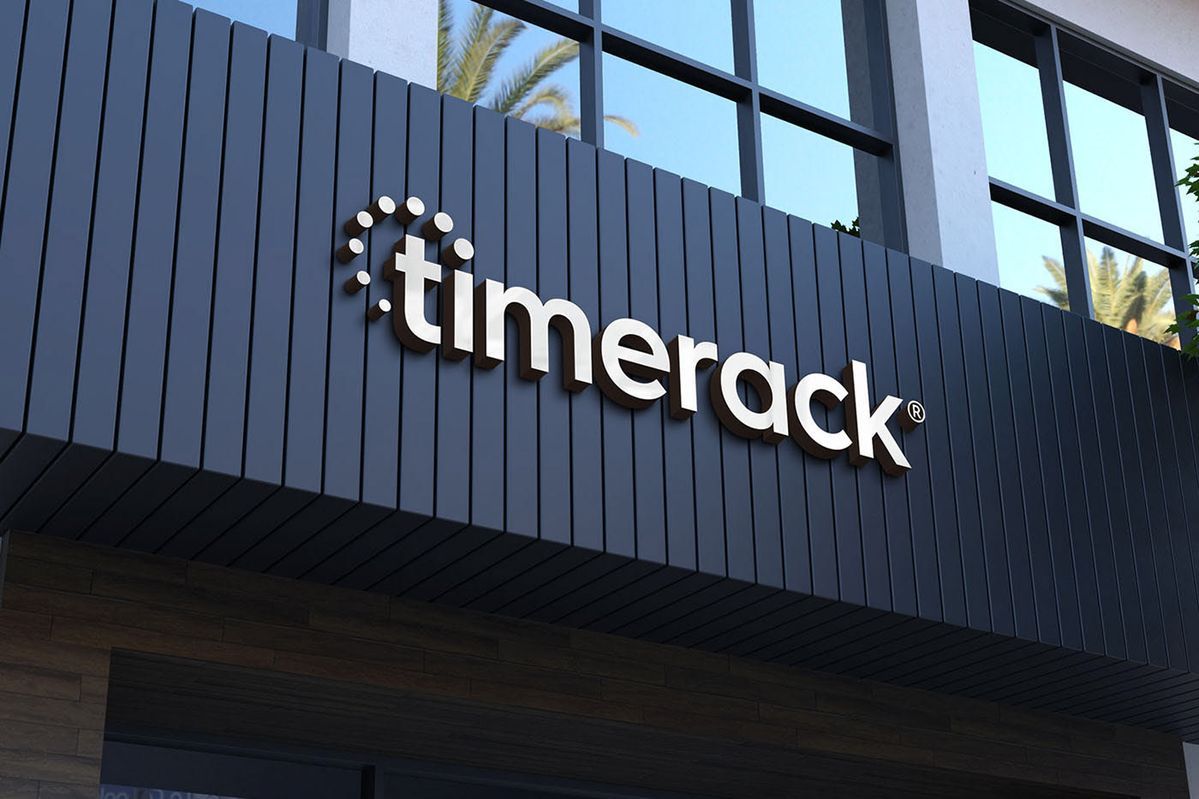
A complete guide to shop front signs, covering fascia panels, 3D lettering, illuminated signage, materials, planning considerations and typical costs.
Your Shop Front Is Your First Impression
Most customers have formed an opinion about your business before they have set foot inside it. Your shop front sign is doing that work: communicating what you sell, signalling the quality of what is inside, and either pulling people off the street or letting them walk past. Get it right and it earns its cost many times over. Get it wrong and it quietly works against you every day.
Despite that, shop signage is one of the decisions a lot of business owners put off or rush. The options can feel overwhelming if you have not navigated them before, and the terminology does not always help. Fascia? Halo-lit? Built-up letters? This guide cuts through all of that.
Whether you are opening a new shop, rebranding, or simply replacing tired shopfront signage, here is everything you need to know about the main types of shop front signs, the materials that go into them, and how to choose what is right for your building, your brand and your budget.
What Counts as a Shop Front Sign?
The term covers more ground than most people expect. When people search for shop front signs or shopfront signage, they usually mean the fascia: the horizontal sign panel that sits above the shopfront, typically above the door and window line. That is the primary identification sign for most retail and hospitality businesses.
But a complete shopfront sign scheme often includes more than one element. The most common are:
- Fascia signs — the primary panel above the shopfront, flat or three-dimensional
- Projecting and hanging signs — signs that extend outward from the building, perpendicular to the wall, visible to pedestrians approaching from either direction
- Window graphics — vinyl lettering, printed graphics or frosting applied directly to the glass
- A-boards and pavement signs — freestanding signs placed on the pavement to catch passing footfall
- Door signs and plaques — smaller identification signs on or beside the entrance
Most businesses need at least a fascia and window graphics. How far you go beyond that depends on the footfall on your street, how visible your shopfront is, and what your budget allows.
The Main Types of Shop Front Signs
The type of sign you choose sets the tone for everything else: material, finish, lighting options and cost all follow from this decision. These are the main categories worth knowing.
Flat Fascia Panels
The most common option. A flat printed or painted panel spans the fascia above the shopfront and carries your business name, logo and any essential information. Flat fascias work for almost any business type and are the most straightforward to produce, install and replace. They suit contemporary businesses and modern building frontages particularly well.
Built-Up and 3D Lettering
Individual letters or logo shapes cut from acrylic, aluminium or foam, mounted directly onto the fascia or wall. The three-dimensional depth gives these signs a more premium feel than flat printed panels and they photograph well. Built-up letters are often used for mid-to-high-end retail, restaurants and professional services. They can be face-lit or halo-lit for illuminated versions.
Projecting and Hanging Signs
A projecting sign extends from the wall at a right angle, making it visible to people approaching from either side rather than only from directly in front. Particularly effective on pedestrian streets, shopping lanes and anywhere the fascia above the door is partially obscured. Double-sided as standard, they work as a complement to the main fascia rather than a replacement.
Traditional, Wooden and Hand-Painted Signs
Timber fascias, carved signs and hand-painted lettering sit in a different category to most modern shop signage. They take longer to produce and cost more per square metre in many cases, but they carry a sense of craft and permanence that machine-produced alternatives rarely replicate. The natural choice for independent retailers, pubs, heritage brands and hospitality businesses that want their physical presence to feel considered. See our bespoke wooden signs page for detail on timber options and finishes.
Lightboxes and Illuminated Fascia Panels
A lightbox is a backlit panel where the front face of the sign is illuminated evenly from behind. A step up from a flat non-illuminated panel in terms of night-time visibility and perceived quality. Standard for many retail chains but increasingly common among independent businesses that trade into the evening.
Illuminated vs Non-Illuminated Shop Signs
Whether you need illumination depends on when you trade, where your shopfront sits, and how competitive your street is for passing footfall after dark. It is worth thinking through rather than defaulting one way or the other.
Face-lit signs
Light shines through a translucent face panel, giving even, bright illumination across the whole sign. The most common illuminated option for shopfront fascias, particularly lightboxes and printed face panels.
Halo-lit and backlit lettering
Light sources sit behind solid letters or logo shapes, creating a glow around the edges rather than through the sign itself. Often used for built-up letters on premium retail and restaurant frontages. More sophisticated-looking than face-lit, and well suited to businesses that want to signal quality.
Trough lighting
An external light fitting positioned below or above the fascia panel, pointing back at the sign face. A traditional approach more commonly associated with heritage shopfronts and conservation areas where more modern illuminated signs would not gain planning consent.
Non-illuminated
Non-illuminated signs are perfectly effective for businesses that trade primarily during daylight hours or where the shopfront is well lit by other means. They also tend to be more straightforward to gain consent for in conservation areas, and the lower production and installation cost makes them the sensible starting point for many new businesses.
For a fuller breakdown of illuminated sign options, see our illuminated signs service page.
Choosing the Right Material for Your Shop Front Sign
Material choice affects how the sign looks, how long it lasts, what it costs and what finishes are possible. Here is a rundown of the most common options:
- Aluminium composite — Versatile / Excellent durability / Mid-range cost — the workhorse of commercial shopfront signage. Lightweight, rigid and weather-resistant. Prints apply cleanly and hold well outdoors. Suits modern and traditional frontages alike.
- Acrylic — Contemporary / Good durability / Mid-range cost — commonly used for illuminated signs, lightbox faces and built-up letters. Clear, coloured or opal acrylic allows light through cleanly and holds colour well outdoors.
- Foamex / PVC foam — Flat finish / Moderate durability / Lower cost — a lightweight foam board, cheaper and easy to cut. Suitable for short-term or lower-exposure applications. Not recommended for permanent exterior fascias.
- Timber and exterior MDF — Warm / Crafted / Variable cost — gives a shopfront character fabricated materials rarely match. Exterior-grade timber and MDF perform well outside with the right primer and topcoat. Requires more skill and care, which is reflected in cost.
- Stainless steel — High-end / Excellent durability / Higher cost — sharp, contemporary and built to last. Suited to premium corporate and upmarket retail frontages where a polished, long-term finish is worth the investment.
If a crafted timber fascia is the look you are after, the wooden signs page covers the options in detail.
Matching the Sign to Your Brand and Building
A sign that looks right for the brand but wrong for the building will never quite work. The two need to be considered together.
Size matters more than most people expect. A sign that is too small will not read from a distance. One that fills the full width of the fascia at maximum depth can feel oppressive and obscure the building's architectural features. There is usually a proportional sweet spot, and an experienced sign maker will advise on it based on the specific frontage.
Colour and contrast affect legibility as much as the design itself. Dark lettering on a light background tends to read more clearly from a distance than the reverse. White on dark is similarly effective. The sign should work in daylight and, if illuminated, after dark.
Font choice is a brand decision but it has practical implications. Highly stylised or condensed typefaces that look good at close range can lose legibility at speed or distance. The best shop signage uses typography that reads immediately at the distance most people will first see it from.
If your building is in a conservation area or is listed, these choices can also be partly constrained by what will gain planning consent. Brighton and large parts of Sussex have significant conservation area coverage, which affects what types of sign and materials are acceptable.
Do You Need Planning Permission for a Shop Front Sign?
Most shop front signs fall under advertisement consent rather than full planning permission, but the distinction matters less than knowing whether consent is needed at all.
In England, many standard fascia signs benefit from deemed consent, meaning they can be installed without a formal application as long as they meet certain size limits, are not illuminated beyond specific levels, and the building is not in a designated area. The moment one of those conditions is not met, a formal application to the local planning authority is required.
Conservation areas change the rules significantly. In designated conservation areas, which cover large parts of Brighton city centre and many Sussex towns, even relatively modest signs may require consent. Illuminated signs are subject to tighter controls, and the materials and character of the sign are likely to be considered as part of any application.
Listed buildings require listed building consent for any sign that would affect the character of the structure, which is a separate and more demanding process.
How Much Do Shop Front Signs Cost?
The honest answer is that it depends on enough variables that a single figure is misleading. Size, material, type of sign, whether it is illuminated and the complexity of the installation all affect the final cost. Here are rough guidance bands for the most common types:
- Flat non-illuminated fascia panel (aluminium composite, mid-size) — £300 to £800 installed — depending on size and finish
- Built-up 3D lettering — £500 to £1,500+ — depending on number of letters, material and size
- Lightbox fascia or illuminated flat panel — £800 to £2,500 installed — depending on size and lighting specification
- Halo-lit built-up letters — £1,200 upwards — for a standard shopfront, more for larger formats
- Timber fascia or hand-painted sign — £500 to £2,000+ — from a simple painted panel to a detailed hand-finished piece
- Projecting sign — £400 to £1,000 — depending on size, material and ironwork\
These are rough guides based on typical mid-size shopfronts. Larger premises, more complex designs or specialist materials will sit higher. The most reliable way to get a figure is to share your frontage details and get a tailored quote.
A Simple Checklist Before You Order
Working through these questions before you speak to a sign maker will make the whole process faster and the result better:
- What is my budget range (including installation)?: This usually determines your material and lighting options more than anything else.
- Will the sign be outdoors, in a covered position, or purely interior?: Exposure level drives your material and finish choices.
- Do I need illumination to trade or compete after dark?: If yes, budget accordingly and check whether power is available at the sign position.
- Does my brand have a clear visual identity I can supply to a sign maker?: Logos and colour references make the design process faster and the output better.
- Is my building in a conservation area or listed?: If so, you may need advertisement consent before any sign goes up.
- Do I want the sign to last 10 or more years?: If yes, invest in quality materials and professional installation from the start.
None of these needs a final answer before you speak to a sign maker. But having thought them through means the first conversation is more productive and the quote you receive is more accurate.
How Odysea Designs and Fits Shop Signs
We handle shop signage from the initial design brief through to manufacture and installation, entirely in-house at our Brighton base. No outsourcing at any stage, which means the quality of the design carries through to the finished sign rather than getting lost between different suppliers.
The process is straightforward. We start with a consultation to understand your business, your frontage and what you want the sign to achieve. From there, we put together a design and a digital proof so you can see exactly how the finished sign will look before anything goes into production. Once you have signed off, we manufacture and fit it.
We work with businesses of all sizes across Brighton, Hove and Sussex, from independent retailers fitting their first fascia through to national brands needing consistent signage across multiple sites. Every project gets the same attention regardless of scale.
For more detail on what we offer, visit the shop signs service page. For a broader overview of Brighton shopfront options and local context, the Shop Signs in Brighton and Sussex guide is worth a read.
Ready to Get Started?
The right shopfront sign comes down to three things working together: a type and material that suits the building, a design that reflects the brand, and a finish and installation that will hold up over time. None of those are difficult decisions when you have the right information and the right maker.
If you are at the point of planning a new shopfront sign or replacing an existing one, we are happy to talk it through. No obligation, no jargon, just a straightforward conversation about what will work for your business.
Get a free quote and design idea from Odysea Signs. We respond to most enquiries within 24 hours.
What our clients say
about us
