
Do You Need Advertisement Consent for Your Business Sign? A Plain-English Guide
Do You Need Advertisement Consent for Your Business Sign? A Plain-English Guide
Advertisement consent is one of those planning terms that sounds more complicated than it is. In practice, most standard shopfront signs in England either have automatic permission under what is called deemed consent, or need a relatively straightforward application to the local planning authority. Getting it right before a sign goes up is important: displaying a sign without the required consent is a criminal offence, and local authorities can require removal and prosecution if they choose to pursue it.
This guide explains advertisement consent in plain English: what it is, when you need it, which types of sign are most commonly affected, and what the rules mean specifically for businesses in Brighton, Hove and Sussex, where conservation area coverage is significant. It covers the most common sign types: shopfront fascias, illuminated signs, projecting signs and hanging signs.
What Is Advertisement Consent and When Do You Need It?
In England, outdoor signs displayed on or near a business premises are classed as advertisements under the Town and Country Planning (Control of Advertisements) (England) Regulations 2007. This means they are regulated separately from general planning permission, through a system called advertisement consent.
The system works in two tiers:
Deemed consent
Deemed consent is automatic permission granted by the regulations themselves. If your sign meets the criteria for a deemed consent class, you do not need to make an application or receive any formal approval. You can simply install the sign, provided it stays within the relevant size limits, height restrictions and other conditions.
The class that covers most ordinary shopfront signs is Class 5 of Schedule 3 to the 2007 Regulations: non-illuminated fascia signs advertising the business at the premises. Key conditions include:
- The sign must be on a wall that contains a shop window
- Maximum height above ground: 4.6 metres (or below the bottom of any first-floor window, whichever is lower)
- Maximum letter height: 0.75 metres
- Maximum area for a single placard or poster panel: 1.55 square metres
- The sign must relate to the business on the premises, not a third-party advertiser
If your sign meets all of these conditions and the premises is not in a conservation area, Area of Outstanding Natural Beauty, National Park or similar designated area, deemed consent almost certainly applies and no application is needed.
Express advertisement consent
Express consent is a formal application to the local planning authority. It is required for any sign that falls outside the deemed consent classes, or is located in a designated area where deemed consent does not apply. The application process is similar to a planning application: you submit drawings and details of the proposed sign, the authority assesses it against local and national policies, and a decision is issued.
Express consent applications for signs take a minimum of eight weeks to determine, and the authority may impose conditions, request amendments or refuse. Unlike general planning permission, advertisement consent is typically granted for a fixed five-year term, after which it needs to be renewed if the sign is to remain.
Illuminated, Projecting and Fascia Signs: What the Rules Say
The type of sign you are installing is the single biggest factor in determining whether consent is needed. Here is how the most common commercial sign types sit within the regulations.
Non-illuminated fascia signs
A standard non-illuminated fascia sign (your business name and any graphics displayed flat above the shopfront) is the most likely to have deemed consent. As long as it meets the Class 5 conditions described above, no application is needed. The vast majority of shopfronts with printed or vinyl-faced flat panels fall into this category.
The conditions to watch: if the sign is very large, if it extends above the first-floor window line, or if the premises is in a conservation area, deemed consent may not apply even for a non-illuminated sign.
Illuminated signs
This is where most businesses run into consent requirements. The deemed consent classes for standard shopfront signs specifically exclude illuminated signs in conservation areas and most other designated areas. For an illuminated sign outside a designated area, Class 4B of the 2007 Regulations provides deemed consent for some illuminated fascia signs, but with stricter conditions including luminance limits and restrictions on animated or flashing elements.
In practical terms: if you are planning an illuminated fascia, a lightbox, halo-lit letters or an LED neon sign and your premises is in or near a conservation area, assume you need express consent and check before commissioning the work. Even outside conservation areas, illuminated signs above certain luminance thresholds, or with animated or scrolling elements, will need an application.
For more on the range of illuminated sign options available, see our illuminated signs service page.
Projecting signs and hanging signs
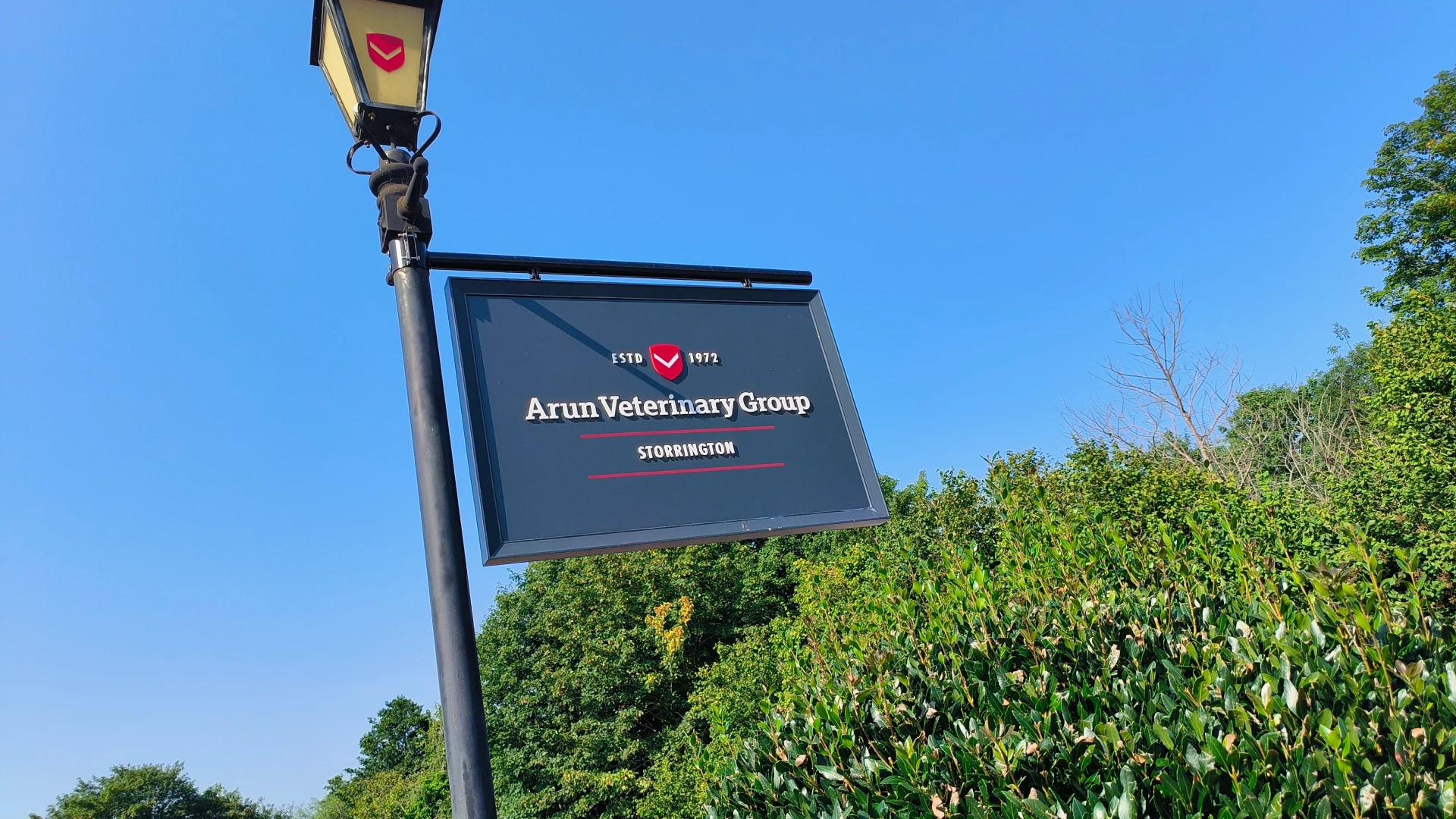
A projecting sign extends from the building wall at a right angle. Hanging signs typically hang from a bracket in a similar position. Both are common in pub and restaurant signage and in town centre retail.
Deemed consent for projecting signs is narrower than for fascia signs. The sign must not project more than 1 metre from the wall, must not exceed 0.75 square metres in area per face, must not be higher than 4.6 metres above ground, and must not be illuminated (outside the relevant deemed consent class for illuminated signs). Many projecting signs will require express consent, particularly if they are larger, illuminated or in a conservation area.
A-boards and pavement signs
Temporary A-boards placed on the public pavement are treated differently and do not require advertisement consent in most cases. However, they may require a separate licence from the local highway authority under the Highways Act 1980, particularly where they affect pedestrian access. Some local councils have banned A-boards in town centres or introduced licensing schemes. Worth checking with the local authority before deploying them on a busy high street.
Conservation Areas and Listed Buildings in Brighton and Sussex
This is the section most relevant to businesses in Brighton, Hove and large parts of Sussex. The area has extensive conservation area coverage, including most of Brighton city centre, the North Laine, the Lanes, Kemp Town, parts of Hove and a large number of Sussex town centres and village streets. The rules are meaningfully stricter in these locations.
Conservation areas
In a conservation area, deemed consent for illuminated signs does not apply. This means any illuminated sign, including a standard backlit lightbox or face-lit letters, will need express advertisement consent before it can be installed. Non-illuminated signs retain some deemed consent provisions, but the size and character of the sign is still subject to scrutiny.
Advertisement applications in conservation areas are assessed not just on technical compliance but on their impact on the character and appearance of the area. Material choices, colours, size, typeface and general design are all likely to be considered. The assessment is somewhat subjective, and the outcome can depend on the specific street and context. Timber signs, traditional painted finishes and individually illuminated letter signs tend to fare better in conservation area applications than large flat lightboxes or LED features.
Brighton and Hove City Council and East and West Sussex County Councils each have their own supplementary guidance on signage in conservation areas. It is worth reading the relevant guidance before commissioning a design if your premises is in a designated area.
Areas of Outstanding Natural Beauty
Large parts of Sussex fall within the South Downs National Park or the High Weald Area of Outstanding Natural Beauty. The same principle applies: deemed consent for illuminated signs does not apply, and even non-illuminated signs face a stricter assessment. Businesses in villages and rural locations within these designations should assume an application is needed for any external sign beyond a very simple nameplate.
Listed buildings
Listed building consent is a separate requirement that applies in addition to advertisement consent. If your premises is a listed building, or if the sign is attached to or affects the setting of a listed building, you will need listed building consent as well as any required advertisement consent. This is a higher bar than ordinary advertisement consent and the assessment covers the potential impact on the character of the listed structure.
Even a sign that would otherwise have deemed consent requires listed building consent if it is attached to a listed building. The two applications can usually be submitted simultaneously but are determined separately.
For hospitality businesses in these areas, the sign type and material choices matter a great deal to the consent outcome. Pubs, restaurants and cafes planning new signage in Brighton or across Sussex should factor consent timelines into their project plan. Our pub signage page and restaurant and cafe signs pages have more on the sign types commonly used in this sector.
How to Apply, and How Odysea Can Help
Do you need to apply?
Before making an application, the starting point is to establish whether consent is actually required. Check:
- Is the sign non-illuminated and within the Class 5 size limits?
- Is the premises outside all designated areas (conservation area, AONB, National Park, listed building)?
If yes to both, deemed consent almost certainly applies and no application is needed. If either answer is no, an application is likely required. The local planning authority can confirm this informally before you submit anything formal, and most will respond to a pre-application enquiry fairly quickly.
What an application involves
An advertisement consent application requires:
- A completed application form — submitted through the Planning Portal or directly to the local planning authority
- A location plan — showing the site in context
- Scale drawings — showing the sign as it will appear on the building elevation, with dimensions
- A specification of materials, colours and illumination — detailed enough for the authority to assess the design
- The application fee — currently £578 per application for advertisement consent in England (correct at time of writing, check for updates)
Most sign makers with experience of the consent process can provide the drawings and specification. Odysea prepares all necessary drawings as part of the project and has supported clients through the consent process across Brighton and Sussex on a number of occasions.
Timelines
Advertisement consent applications are determined within eight weeks in most cases, though complex applications or those requiring additional information can take longer. Planning authorities in busy urban areas like Brighton can sometimes take the full eight weeks or slightly longer. If your sign is on a time-sensitive project, the consent timeline should be built into the project plan before design work is commissioned.
What happens if you install without consent
If a sign is installed without the required consent, the local planning authority can issue an enforcement notice requiring the sign to be removed or altered. The cost of removal falls on the business, not the sign maker. Persistent non-compliance can result in prosecution. The practical advice is simple: if there is any doubt about whether consent is required, check first.
How Odysea can help
We advise on consent requirements as part of every shopfront and commercial sign project. If your premises is in a conservation area, if you are planning an illuminated sign, or if you are unsure whether an application is needed, we can tell you what is likely to be required based on your specific location and the type of sign you are planning. Where an application is needed, we prepare the necessary drawings and can guide you through the submission process.
For more on choosing the right sign type for your premises, our shop front signs guide covers the materials, types and options in detail alongside the planning considerations. To discuss a specific project, the shop signs service page is the best starting point.
The Short Version
Most standard non-illuminated shopfront fascia signs in England have deemed consent and do not need a formal application. Illuminated signs, projecting signs and any sign in a conservation area, AONB or listed building are more likely to need express advertisement consent. The application process is straightforward in most cases but takes at least eight weeks, so plan ahead.
If you are unsure about your specific premises or sign type, the local planning authority is the right place to check. We are also happy to advise based on the details of your project before anything is designed or ordered.
Get in touch with Odysea Signs to discuss your sign project and any consent requirements. We respond to most enquiries within 24 hours.
What our clients say
about us
